Tuesday, 20 May 2014

Lay of the Land

We have some new arrivals. 
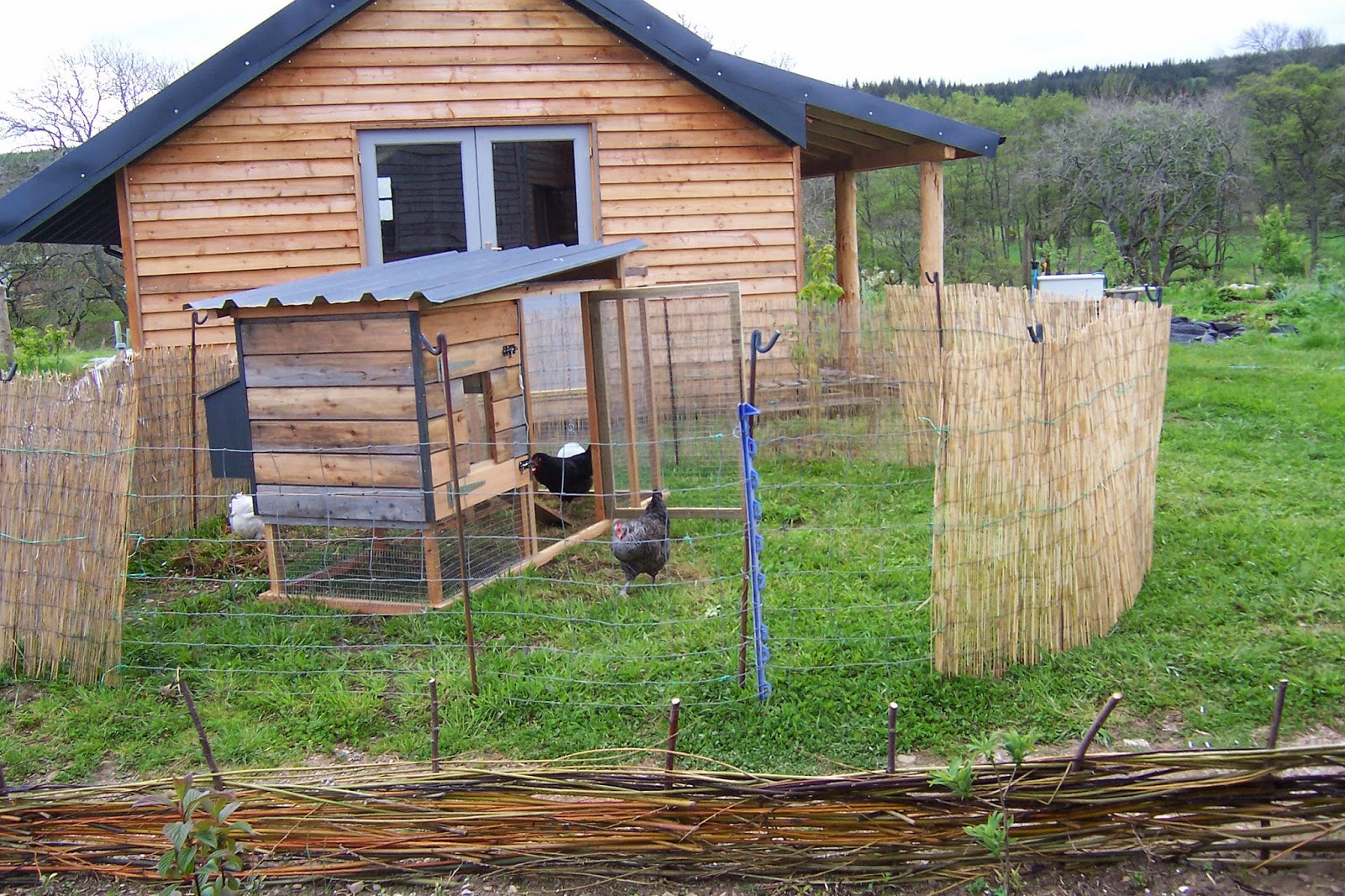
Fowl Challenge

Their home is functional made from various bits of recycled construction waste (*exemption applied for) with no thought of aesthetics.


And there is no room for sentimentality here.These are food producers not pets and it is ill-advised to name your hens. But it is more important to relive past glories and celebrate revered figures from world history. Clockwise from bottom left: Benjamin, McGoldrick, Gilbert, Morley.

Monday, 5 May 2014

And the drought goes on...


2014
Snab
Brize
January
34.5
155.2
February
42.5
105.7
March
21.0
56.6
April
23.4
62.7

When the plot starts to resemble a beach, it's time to resort to maritime plants, quite littorally. Asparagus and chard are adaptations of shore plants. A more unusual choice is sea kale. It's a native perennial and you may find its blanched stems emerging from your local shingle bank but you can mimic this by use of force. 

At a time of relative dearth, it gives a crunchy treat with a sweet cabbagy flavour. Use raw, in spring stir-frys, and with a squeeze of lemon on pasta. Remove the chimney pot and it develops an attractive rash of white flowers, worth a place in the flower border, if you go in for such conformist concepts.


Sunday, 13 April 2014

Productive Working Environment


Welcome to my office. It's one of those typical brisk Scottish spring days - bright but the wind is blowing the tea out of the cup. So my flexible work pattern kicks in and I'm hotdesking on some new projects indoors.  With the windward door firmly closed, it's approaching 30degC in here. The place might look like it has a low utilisation rate but it's keeping up a supply of highly billable spinach, salad leaves, coriander and radish. Work in progress includes early potato shoots, strawberries in flower, and embryonic apricots. The cape gooseberries have overwintered and even the forecast for the formerly forlorn hardy kiwis is looking up. But top of my key performance indicators this week is my cauliflower pakora. That's not a bookie's pencil by the way. 

Stan's CauliMore

Tuesday, 1 April 2014

Water Teems?

It's been a long time and the garden has moved on a shallot in the last 18 months. But any sustainable gardening blog must start with a fresh look at one's integrated water management policy. Yes, I've got a raingauge. The real-time tipping bucket web transmission will have to wait. Aesthetics is more important at this stage, and so a shapely antique copper monthly collector will have to suffice. It is, of course, the met office approved distance of twice the height from the nearest obstruction.

Hot off the kitchen scales is the March total. For information, I will be giving a comparison of the dustbowl figure with a random place somewhere in the wet tropics.

2014 (mm)
Snab
Brize
January
34.5
155.2
February
42.5
105.7
March
21.0
56.6 (+dust)

The data will be used to inform the climate change apricot adaptation strategy and parsnip risk profiling scenarios.

Tuesday, 23 April 2013

An evening stroll


In response to a special request, here is a short public information film featuring an alternative method of growing onions. Like the observation round on the Krypton factor, I will be asking questions about incidental items in the film so pay attention.

Friday, 18 January 2013

Take a Rain Check

After a bit of break, it's fitting to be back with a weather-related post. I know there was a lot of chuckling and muttering about my claims regarding the superior climate of the Moray Firth. So the 2012 annual rainfall statistics make interesting reading.
Kinloss 608mm
Brize Norton 941mm
Bristol 1051mm.

I won't bother the with temperature stats though.

Wednesday, 5 September 2012

The Gooseberry Sawfly Massacre

After the overwhelming response to my last blockbuster, here is my latest acclaimed horror flick starring Helly Berry with exit music from the siblings April & August Frost and the Not-So-Hardy Kiwi Ensemble.  


This Weather Widget is provided by the Met Office

This Weather Widget is provided by the Met Office